Five Things That Annoy Hackers (Mishaal Khan)
Technology
July 11, 2024These are some key insights from Mishaal Khan, vCISO, (Chief Information Security Officer), who will be presenting at the upcoming MegaWeek event in August. His session 'Think Like a Hacker: People Hunting with OSINT', promises to provide valuable cybersecurity insights. Mishaal is a highly respected figure in the field, known for his expertise in ethical hacking, Open Source Intelligence (OSINT), social engineering, and privacy.
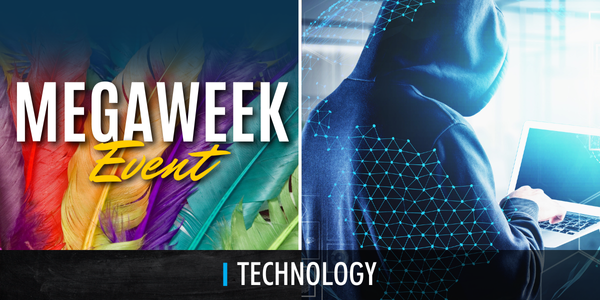
In today’s digital world, cyber-attacks are becoming more common. Hackers often go after easy targets – those small but important things that people often overlook, like using strong passwords and multi-factor authentication (MFA). These might seem like minor details but ignoring them can leave you vulnerable to attacks. Small steps can make a big difference in protecting your digital life. Let’s look at five simple tips to strengthen your defences and keep hackers frustrated.
1. Use a Password Manager
Think of a password manager as a secure vault for all your passwords. It creates and stores strong, unique passwords for all your accounts, so you don’t have to remember them. All you need to remember is the master password that unlocks the vault. No need to write down or remember multiple passwords, let your password manager worry about that. Using the same password everywhere or a variation of it by adding a “1” to it, makes it easy for hackers to get in by simply guessing. A password manager ensures your accounts are well-protected with hard-to-crack passwords.
2. Enable Multi-Factor Authentication (MFA)
MFA is like adding an extra lock to your door. Besides your password, it requires another form of verification, like a code sent to your phone or a fingerprint scan. Even if a hacker gets your password, they still need the second piece to access your account. This simple step makes it much harder for them to break in. When performing tests on clients’ accounts, my number one barrier of getting in is MFA.
3. Regularly Back Up Your Data
Backing up your data is like having an insurance policy. If your computer gets hacked or infected with ransomware (which locks you out of your files until you pay), having a backup means you can restore your data without paying anything. Make it a habit to back up your files regularly and keep these backups in a safe place.
4. Conduct Security Audits
Think of security audits as regular check-ups for your business’s digital health. Periodically test your systems to find and fix weaknesses before hackers can exploit them. This includes updating software, fixing security flaws, and making sure everything is configured correctly. It’s about staying one step ahead of potential threats.
5. Protect Your Personal Information
Be careful about sharing personal information online. Hackers can use details from your social media profiles to launch targeted attacks against you in emails or phone calls, also known as social engineering. By limiting what you share online and using privacy settings, you make it harder for hackers to gather the information they need to impersonate you and perform these attacks.
Improving your cybersecurity doesn’t have to be complicated. It’s about adopting small, consistent habits that collectively make a big difference. By using a password manager, enabling MFA, backing up your data, conducting security audits, and protecting your personal information, you can build a strong defense against cyber threats. Remember, it’s the little things that can make a big difference in keeping hackers at bay.
Mishaal Khan will be presenting 'Think Like a Hacker: People Hunting with OSINT' at PrimeGlobal's MegaWeek event.
Get ready for an inspiring 2024 MegaWeek event at the Westin Riverwalk, San Antonio, Texas. PrimeGlobal’s MegaWeek brings together over 100 member attendees from major practice management functions including: Human Resources and Training; Firm Operations, Administration and Finance; Information Technology; and Marketing & Business Development.
Registation for MegaWeek closes on 19 July, so sign up for the event here.