Building Firm Culture That Retains Top Talent
Talent Development
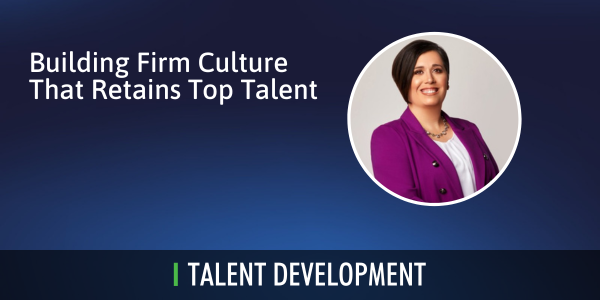
October 6, 2025In today's competitive professional landscape, firms are discovering that culture isn't just a nice-to-have—it's a critical business imperative. At PrimeGlobal’s MegaWeek event in Denver, attendees heard from leadership expert Summer Jelinek, who explained how aligning organizational purpose can transform employee retention and create lasting success.
First Impressions Matter More Than You Think
Research reveals that employees encounter eight to ten touchpoints before the interview process begins. From company websites to social media presence, these pre-interview interactions shape perceptions long before any face-to-face meeting occurs. Unfortunately, 80% of new hires leave within 45 days due to poor onboarding experiences, highlighting a critical gap between attraction and retention strategies.
Organizations often excel at client-facing interactions while neglecting the employee experience. This disconnect creates a cycle where talented individuals join with enthusiasm but leave due to unmet expectations or inadequate support systems.
The Leadership Health Connection
Mayo Clinic research reveals a startling truth: leaders have more impact on employee health than an employee's personal physician. This finding underscores the profound responsibility leaders carry and the tangible effects of toxic work environments. Employees working under emotionally intelligent managers are four times less likely to leave their positions.
The butterfly effect applies directly to workplace dynamics. Small leadership decisions can cascade into significant organizational changes, often in unexpected ways. Jelinek's experience with George, a retired executive turned Disney cast member, demonstrated how understanding individual motivations can prevent conflicts and build stronger working relationships.
The SBI Feedback Model
Effective feedback requires structure and intentionality. The Situation-Behavior-Impact-Intent (SBI) model, from The Center for Creative Leadership, provides a framework for meaningful conversations. Instead of using adjectives like "rude" or "unprofessional," leaders should describe specific behaviors: "When Alex asked a question, you interrupted before they could finish and gave a short response."
This approach focuses on observable actions rather than interpretations, making feedback actionable and less defensive. The key is addressing issues immediately rather than allowing frustration to build over days or weeks, which transforms coaching conversations into confrontational encounters.
Individual Investment Drives Results
Understanding what motivates each team member enables personalized leadership approaches. Jelinek's breakthrough with Matt, who struggled with younger colleagues despite adoring his grandchildren, came through a simple question: "What would you do if someone spoke to your grandson the way you just spoke to that young man?" This individualized approach resolved months of ineffective discipline conversations.
Seventy-five percent of employees consider feedback crucial, yet fewer than 30% receive meaningful performance feedback outside annual reviews. This disconnect represents a massive opportunity for organizations willing to invest in regular, purposeful conversations with their teams.
Adapting Communication for Modern Work
The shift to virtual and hybrid work environments has fundamentally changed communication dynamics. In-person interactions favor charismatic personalities and rely heavily on body language and spontaneous conversations. Virtual environments level the playing field, emphasizing action over charisma but increasing conflict due to limited nonverbal cues and higher distraction levels.
Hybrid models, when executed well, combine the best aspects of both approaches while requiring greater intentionality in maintaining social bonds and ensuring equitable participation.
The Retention Reality
Despite common assumptions, 90% of employees would accept lower compensation to work for purpose-driven organizations. Seventy-three percent of employees working for purpose-driven companies report high engagement, compared to only 23% in traditional organizations. Culture serves as a deciding factor for 46% of employees, with 88% considering it at least somewhat important.
Finding Your Magic
The most successful organizations identify their unique "magic"—their distinctive purpose that guides decision-making and behavior. This magic becomes the thread connecting employees, leaders, and organizational goals. Whether it's making magic like Disney or pursuing excellence in professional services, clarity of purpose enables teams to make aligned decisions even in ambiguous situations.
Building strong firm culture requires intentional effort across every touchpoint, from initial job postings through retirement celebrations. Organizations that invest in purpose-driven culture, meaningful feedback systems, and individualized employee development create environments where top talent thrives and chooses to stay.
Discover more Talent insights