Corporate Sustainability Disclosures Still Wanting, IFRS Warns
Sustainability
February 14, 2025In this article from alliance partner ICAEW, the IFRS Foundation warns that investors still lack the information they need to assess and price climate-related risks and opportunities.
Few companies are providing comprehensive disclosures that fully equip investors to evaluate sustainability risks, according to new analysis from the IFRS Foundation.
The IFRS does praise companies for starting to make the transition from Task Force on Climate-related Financial Disclosures (TCFD) to International Sustainability Standards Board (ISSB) standards.
Between October 2023 and March 2024, more than 1,000 companies referenced the ISSB in their reports and 30 jurisdictions are making progress towards introducing ISSB Standards in their legal or regulatory frameworks, according to a detailed progress report published by the IFRS Foundation this week.
Meanwhile, 82% of companies disclosed information in line with at least one of the 11 TCFD recommendations, as companies around the world turn their attention to climate-related disclosures.
Absence of Comprehensive Disclosures
However, less than 3% of these companies reported in line with all 11 TCFD recommended disclosures, highlighting a distinct absence of comprehensive sustainability reporting that covers the company’s climate-related governance, strategy, risk management or metrics and targets – especially as it relates to the effect of climate change on their businesses, strategies and financial planning.
The IFRS Foundation, which took on responsibility for recording climate-related disclosure progress when the TCFD disbanded in 2023, warns that if the omitted information is material, it indicates that investors are not currently receiving the information needed to assess and price climate-related risks and opportunities.
The IFRS Foundation also conducted separate analysis on some key features of the proposals or decisions of the 30 jurisdictions, including their approach to requirements around Scope 3 GHG emissions, industry-specific disclosures and reporting material information about all sustainability-related risks and opportunities.
Value of Scope 3 GHG Emissions
The analysis found that jurisdictions see the value of Scope 3 GHG emissions disclosures; all 29 jurisdictions that have finalised or published proposals on climate-related disclosures have included Scope 3 GHG emissions disclosure requirements, with some allowing or proposing brief extensions of transitional reliefs to prepare for the requirements.
At the same time, 28 jurisdictions have included or are considering requirements for industry-specific disclosure. Just two of the 30 jurisdictions have signalled the intention to make industry-specific disclosure voluntary, at least initially.
Climate-related risks and opportunities are clearly important to investors, but so are disclosures on the full spectrum of sustainability-related risks and opportunities; 90% of the jurisdictions have included or are considering requirements for disclosure covering all sustainability-related risks and opportunities over time. Some jurisdictions are initially focused on the disclosure of climate-related risks and opportunities.
Alignment With ISSB Standards
In some cases, jurisdictions have moved closer to the ISSB Standards relative to their initial proposals in response to calls from stakeholders for greater alignment with ISSB Standards and to secure comparability of disclosures by adhering to the global baseline.
Stakeholders, in particular investors and companies with significant cross-border operations expected to be subject to more than one set of jurisdictional requirements, perceive a risk in replacing the current patchwork of voluntary initiatives with regulatory fragmentation should jurisdictions modify ISSB Standards extensively.
Other companies likely to be part of global supply chains are also advocating for alignment with the global baseline to ensure a streamlined global reporting regime that avoids unnecessary burden.
Further Action Needed
ISSB Chair Emmanuel Faber said despite significant and encouraging progress in disclosure of climate-related information, further action was needed to plug gaps in information needed by investors to assess and price appropriately climate and other sustainability-related risks and opportunities.
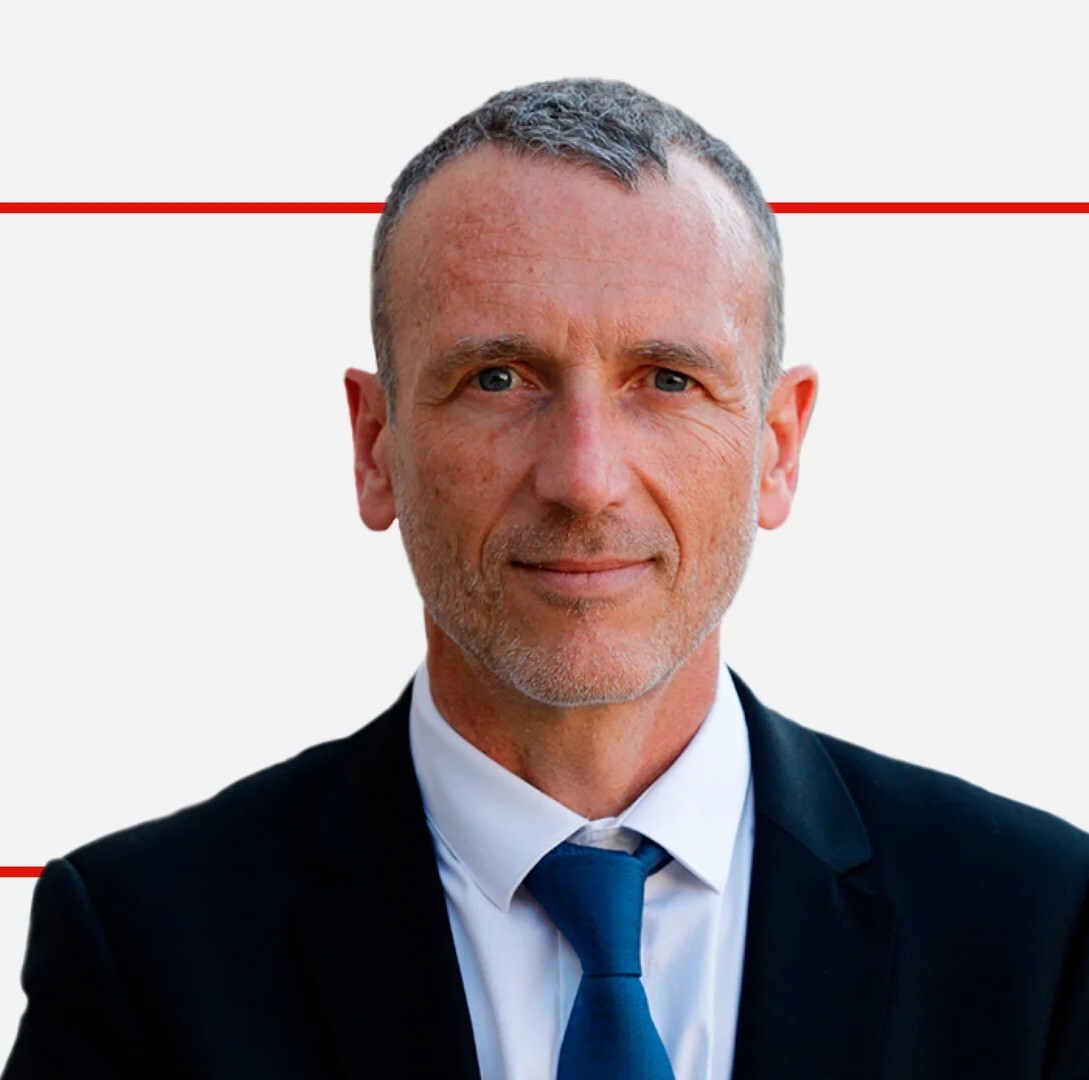
“Through jurisdictional initiatives and the voluntary choices companies are making, often in response to investor demand, we continue to see momentum build. The introduction of sustainability-related disclosure requirements into regulatory frameworks through the adoption or other use of ISSB Standards, building on the strong foundations laid through the TCFD recommendations and progressing towards a more comprehensive and assumable set of requirements, is of vital importance for the healthy functioning of capital markets around the world.” Emmanuel Faber, ISSB Chair
Kate Beeston, Technical Manager in ICAEW’s Corporate Reporting department, says:

“It’s encouraging to see clear progress in climate-related reporting, including the efforts of the 30 jurisdictions that have made steps to introduce ISSB Standards in their legal or regulatory frameworks. ' Kate Beeston, ICAEW