Remote work debate continues, but not at Sikich
Talent Development
June 10, 2025 - SikichIn this article, Chris Camara of Inside Public Accounting talks about IPA 100 firm Sikich’s longstanding approach to remote work. While many firms are tightening office mandates, CEO Christopher Geier continues to favor trust, flexibility, and results over in-office policies.
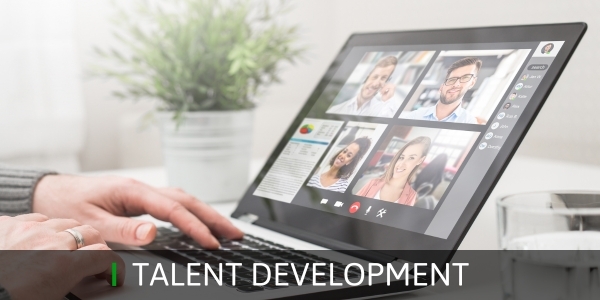
If you don’t trust your own employees to work remotely, you have the wrong employees.
So says Christopher Geier, CEO of Chicago-based IPA 100 firm Sikich (FY23 net revenue of $363.8 million).
This follows PwC’s plan to use location data to ensure UK staff work a mandated three in-office days per week. IBM’s US-based managers have also been told to work in the office at least three days a week or leave.
Other companies have taken similar steps. These include UPS, Amazon, Meta and even Zoom, which played a large part in the work-from-home revolution.
According to September’s KPMG 2024 CEO Outlook, 83% of 1,300 global CEOs expect a full return to the workplace within the next three years, up from 64% in 2023.
A trust-first approach
While some business leaders are hardening their stance, Geier is not. Sikich allowed staff to work from home, or wherever they liked, long before the pandemic. Like nearly all firms that were forced into remote work due to COVID, Sikich expanded hybrid arrangements post-COVID.
Now more than 80% of the firm’s 1,900 employees in 20 offices work remotely versus about 30% pre-COVID.
Though the debate has been eliminated at Sikich, that’s not the case everywhere. The pre-pandemic working world is long gone. However, some firms are asking employees to return to the office two or three times a week or even more.
The all-in or all-out approach
Consultant Rachel Anevski, founder of Matters of Management, has observed that small firms post-COVID seem to have settled into an ‘all-in’ or ‘all-out approach. Some want staff in the office all week, while others have eliminated their offices altogether.
Mid-size firms have brought their people back in two waves. At first, these firms allowed hybrid arrangements with few rules. Now, they’re putting more requirements in place, such as returning two or three specific days a week.
At the Big 4, however, Anevski says she’s starting to see what’s being called ‘hushed hybrid’. This is where individual managers are allowing their staff in some cases to skirt the back-to-the-office rules.
Balancing flexibility and development
Leaders who prefer in-office work often say there’s no substitute for collaborating alongside others and learning from their managers. Anevski agrees. “In a relationship-modeled business, to develop relationships, especially in young professionals, we’ve got to see you. We’ve got to see the body language. We have to teach you business acumen. This is particularly important during the onboarding phase.”
Geier, however, believes the advantages of working together in person are overblown. When asking managers when they’d last taught someone sitting side by side, Geier said they couldn’t remember the last time.
Employees appreciate saving on busy Chicago commute times. Geier also feels they can unlock their creativity if they’re working where and when they prefer. In fact, Sikich reduced its office space in the Chicago area from 120,000 square feet to 40,000 last year.
Remote work success requires hiring self-starters who are excited to start work every day. Sikich employees are trusted to take ownership over their work, clients and team members.
Geier often reminds the recruitment team that the success of the company is based on the talent they bring in. Speaking on a recent Chicago radio show, he said: “We want champion players on our team because we want to win championships.”
How will remote work evolve?
According to a Forbes article, the number two profession for remote workers this year is accounting and finance. Taking top spot is the computer and IT industry.
Anevski believes allowing hybrid arrangements with more rules and responsibilities is the new normal. Proper training for supervisors to manage hybrid teams is essential. Looking ahead five years or so, she predicts staff will be working at the office three or four days a week.
“We're in business not to provide comfy, cozy accommodations for people. We're in business to make money. We're in business to be a successful accounting firm,” she added.
Geier said he is not opposed to in-person working arrangements and that remote isn’t perfect. However, he believes trust and education are keys to productive and fulfilling work, no matter where the work is done.
The culture of trust is enhanced by a dedicated employee engagement and culture team focused on employee experience. Learning and development programs at all experience levels breed employee satisfaction and keep productivity high.
“You have to make investments in these types of programs,” Geier said. “You can't do one without the other, in my opinion. I want our people to live their lives, and life and work have become so integrated today. You know that it doesn't really matter where they are. They can still get their work done.”
Content by:
Sikich
Sikich offers the public and private sectors a diverse platform of professional services across consulting, technology and compliance. Highly specialized and hands-on teams deliver integrated solutions rooted in deep industry experience. Our approach is strategically and thoughtfully designed to help our clients, teams and communities accelerate success. Sikich has approximately 2,500 team members and operates across North America, EMEA and APAC.
Learn more