Why we need to think differently and be committed to the long term: Ronald Meijers on Redefining Sustainability in Accounting
Sustainability
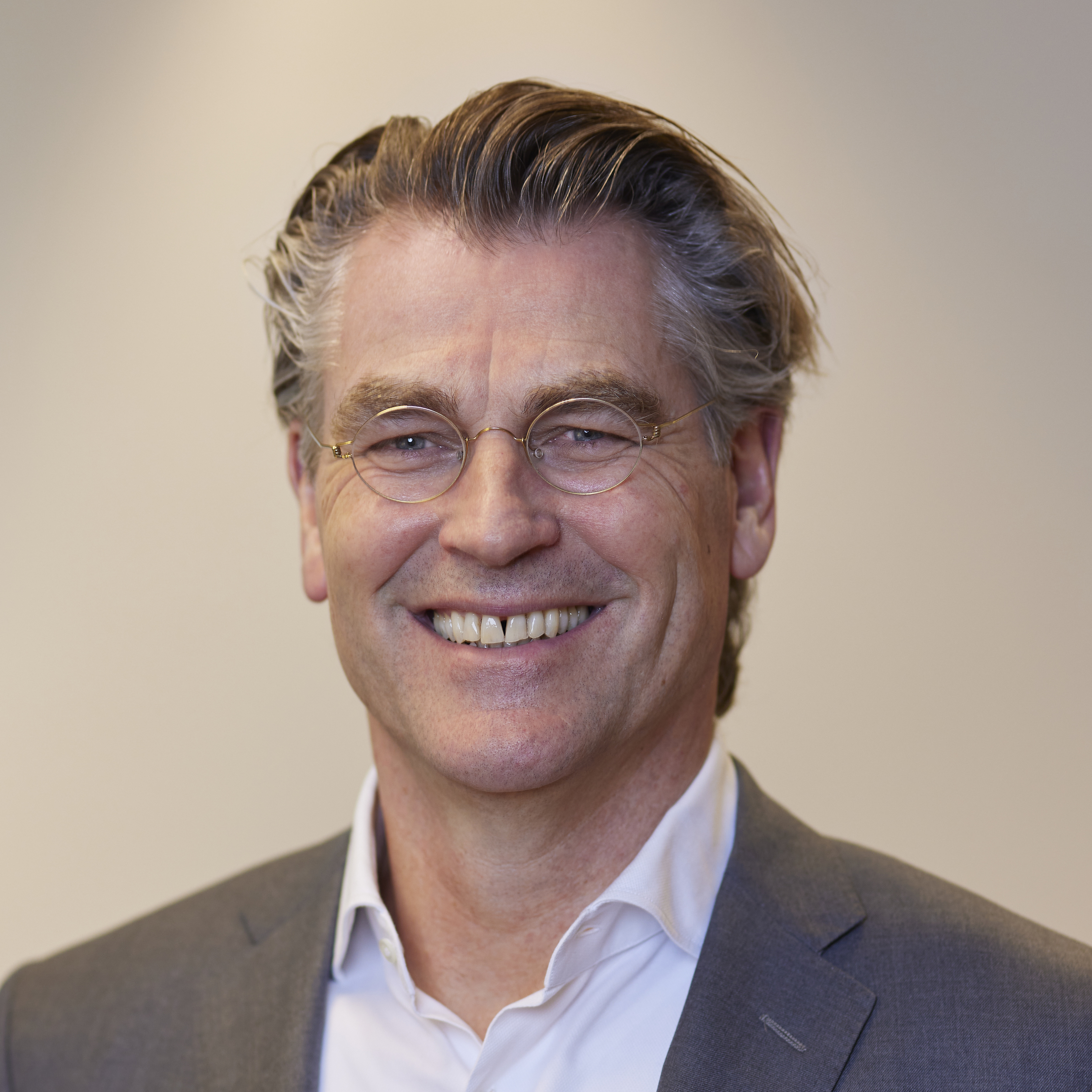
July 1, 2025During a period of transition for sustainability-related reporting in Europe, one of PrimeGlobal’s most prominent B corp status firms, Netherlands-based aaff, shares first hand insights on the true meaning of sustainable business models. Following the merger between ABAB and Alfa in 2024, and recertification process to maintain B corp status, Ronald Meijers, aaff’s advisor to its leadership education program and and former Vice Chair of the Executive Board, explained to PrimeGlobal how in a world where businesses are increasingly challenged to prove value beyond the bottom line.
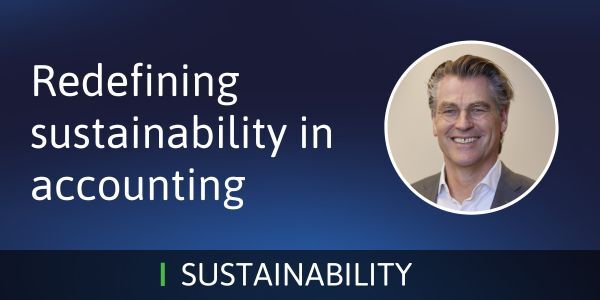
With a background in law, Ronald transitioned early into leadership development and has since held senior roles including Managing Director, CEO, board chair, and supervisory board member. He spent a decade at Deloitte, before becoming CEO of ABAB with a career spanning global consultancies, boutique firms, and family-owned businesses. He now combines practice with teaching as an adjunct professor at TIAS, the Business School for the University of Tilburg and Eindhoven, specialising in leadership, change, and governance.
Fully owned by its employees, aaff has a combined history of around 180 years, 50 offices and over 2,000 people. It’s one of the oldest, largest and most stable all-round accounting and tax advisory firms in the Netherlands.
Becoming a certified B Corp organization was a deliberate decision and reinforces aaff’s commitment to make a positive contribution to society. With Sustainability in its DNA, aaff is determined growth will never come at the expense of the environment or communities. As an advisory firm aaff supports its clients in advancing their sustainability efforts, helping them seize opportunities presented by the transition to a greener economy.
Ronald offers a bold vision for the future, and at the heart of that vision is sustainability, not just environmental, but structural, cultural, and deeply human.
Employee ownership as a sustainability model
Aaff’s business model is one of full employee ownership, and according to Meijers, that structure is inseparable from the firm’s sustainability ambitions. When reflecting on impactful sustainability initiatives, Ronald acknowledges that as a professional services firm, the ecological footprint is less pronounced compared to product-based industries.
While the firm actively minimizes its environmental impact, particularly through responsible office practices and employee mobility, its greatest contribution lies in its commitment to doing as little harm as possible within its operational scope. The focus remains on aligning with frameworks like B Corp and ESG, while recognising the unique sustainability role of service-based businesses.
“The company is fully owned by us... not just that every colleague has a bit of ownership. No, we own the company in total”, Meijers explains. It sets aaff apart from the private equity wave that’s sweeping the industry. This ownership model is about long-term commitment – to each other, to clients, and to the planet.
It’s a long-term mindset that informs every aspect of aaff’s operations. “We exist thanks to the fact that we make money, not for the purpose of making it.” Ronald Meijers, Leadership Development Consultant, aaff
Pursuing Net Zero and long term sustainability commitments
aaff has committed to net zero goals, with ambitions of becoming energy positive, a bold step for a professional services firm. “We’re committed to doing as little harm as possible. But we’re also thinking about going further and becoming energy positive.”
Meijers envisions its offices of the future as environments that ‘invigorate’, rather than drain energy. In his view it should trigger you to stand up every 45 minutes, have great acoustics, and support vitality.
Sustainability, for Meijers, also means embedding interconnectivity into how the company operates. aaff’s internal matrix structure may be demanding, but it mirrors the interconnectedness of today’s global challenges. “We tell our people: you only did a good job if the client is happy, yes, but that’s not enough. You also have to feel energized, learn something, meet regulatory standards, and deliver lasting impact.
This multifaceted evaluation helps align day-to-day work with broader ecological and social goals, reinforcing what Meijers calls “a commitment to all stakeholders — equally, but differently.”