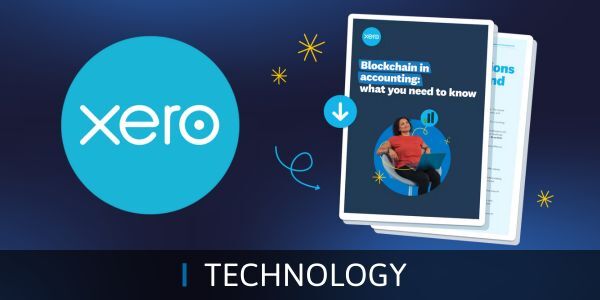
Blockchain in accounting: what you need to know
Technology
September 8, 2025Blockchain is moving outside cryptocurrency and into the future of accounting. PrimeGlobal strategic partner, Xero, shares how firms can prepare today.
The conversation about blockchain in accounting has been bubbling away for years. Outside cryptocurrency, it hasn’t hit the mainstream – yet. But the potential is huge. From bookkeeping and auditing to supplier management and Anti-Money Laundering checks, blockchain could improve and reshape the way accountants work.
What is blockchain?
Blockchain is a type of distributed ledger – a secure, shared record of transactions. Every time something happens – a payment, a transfer, a contract – it’s recorded as a ‘block’ and added to the chain. Everyone in the network sees the same version, and once it’s there, it’s almost impossible to change.
That makes blockchain transparent, reliable, and fraud-resistant. It’s a new way of thinking about ledgers and could make financial records far more accurate and trustworthy.
Why it matters
Good accounting depends on complete and accurate records. Blockchain helps with:
- security – encryption and digital signatures make tampering almost impossible.
- transparency – everyone sees the same ledger, simplifying audits and compliance.
- efficiency – transactions are recorded automatically, cutting out manual data entry.
- collaboration – shared data builds trust and relationships between firms, clients, and auditors.
What could it look like in practice?
While blockchain is currently mainly used for cryptocurrency, it opens the door to a range of possibilities:
- Triple-entry accounting
A third, tamper-proof entry on the blockchain creates a transparent, traceable record for every transaction. Great news for auditors, who can verify data instantly.
- Smart contracts
Automated agreements that trigger payments or services once conditions are met. Instead of chasing late invoices, payments are released automatically and recorded on the blockchain.
- Supply chain tracking
Every step, from production to payment, can be logged. That makes it easier to prove compliance with financial rules or sustainability reporting.
- Digital identity checks
Permanent records on the blockchain could simplify customer verification and strengthen Anti-Money Laundering processes.
- Crypto accounting
With government-led digital currencies gaining more interest, accountants are increasingly likely to have to advise on tax, reporting, and compliance.
The challenges
Of course, there are challenges. Adoption is still limited, and regulators will need to adapt existing laws before blockchain becomes widespread. Processing large volumes of transactions is slower than current payment systems. And getting consensus that a transaction is valid from everyone involved can be time-consuming.
Software is another barrier. There are very few accounting tools with blockchain functionality built in. And accountants will need training to use and interpret blockchain data effectively. There are also questions about data privacy, especially when comparing public vs private blockchains.
Looking ahead
Blockchain sits within a bigger trend – decentralized finance. Over time, this could mean less involvement by third parties like banks and new roles for accountants and auditors. Bookkeepers might not need to reconcile accounts, while auditors could shift from checking ledgers to reviewing blockchain data.
But one thing won’t change. Clients will still need advice, strategy, and support. Advisory skills, critical thinking, and strong relationships will matter more than ever.
Preparing for change
Blockchain may not be mainstream yet, but now’s the time to get ready. Cloud platforms can already help firms build digital skills, automate admin, and free up time for higher-value work. That gives accountants space to experiment with new tech and prepare for when blockchain moves from emerging to essential.
Xero is a global technology company that provides cloud-based accounting software for small businesses, connecting their finances, banks, and advisers. With one simple, integrated system, Xero streamlines everyday financial tasks, including invoicing, bank reconciliation, and reporting.